PROJECT DETAILS

Denver, USA
2023
$2.3 million
6 months
SynTech Industrial
Introduction
Carbon offsetting has become an important concept in the global effort to address climate change. As industries, governments, and individuals seek ways to reduce their environmental impact, carbon offsets provide a practical mechanism to balance out greenhouse gas emissions by supporting projects that remove or reduce carbon dioxide from the atmosphere.
What Is Carbon Offset
A carbon offset refers to a reduction in greenhouse gas emissions made to compensate for emissions produced elsewhere. These offsets are typically measured in metric tons of carbon dioxide equivalent. When a person or organization purchases a carbon offset, they are essentially funding environmental projects that reduce emissions, such as reforestation, renewable energy development, or methane capture.
How Carbon Offsetting Works
The process begins by calculating the amount of carbon emissions generated through activities like travel, electricity use, or manufacturing. Once this footprint is determined, an equivalent amount of offsets can be purchased from certified projects. These projects are verified by international standards to ensure that the emission reductions are real and measurable. In this way, the emissions produced in one place are balanced by reductions achieved elsewhere.
Types of Carbon Offset Projects
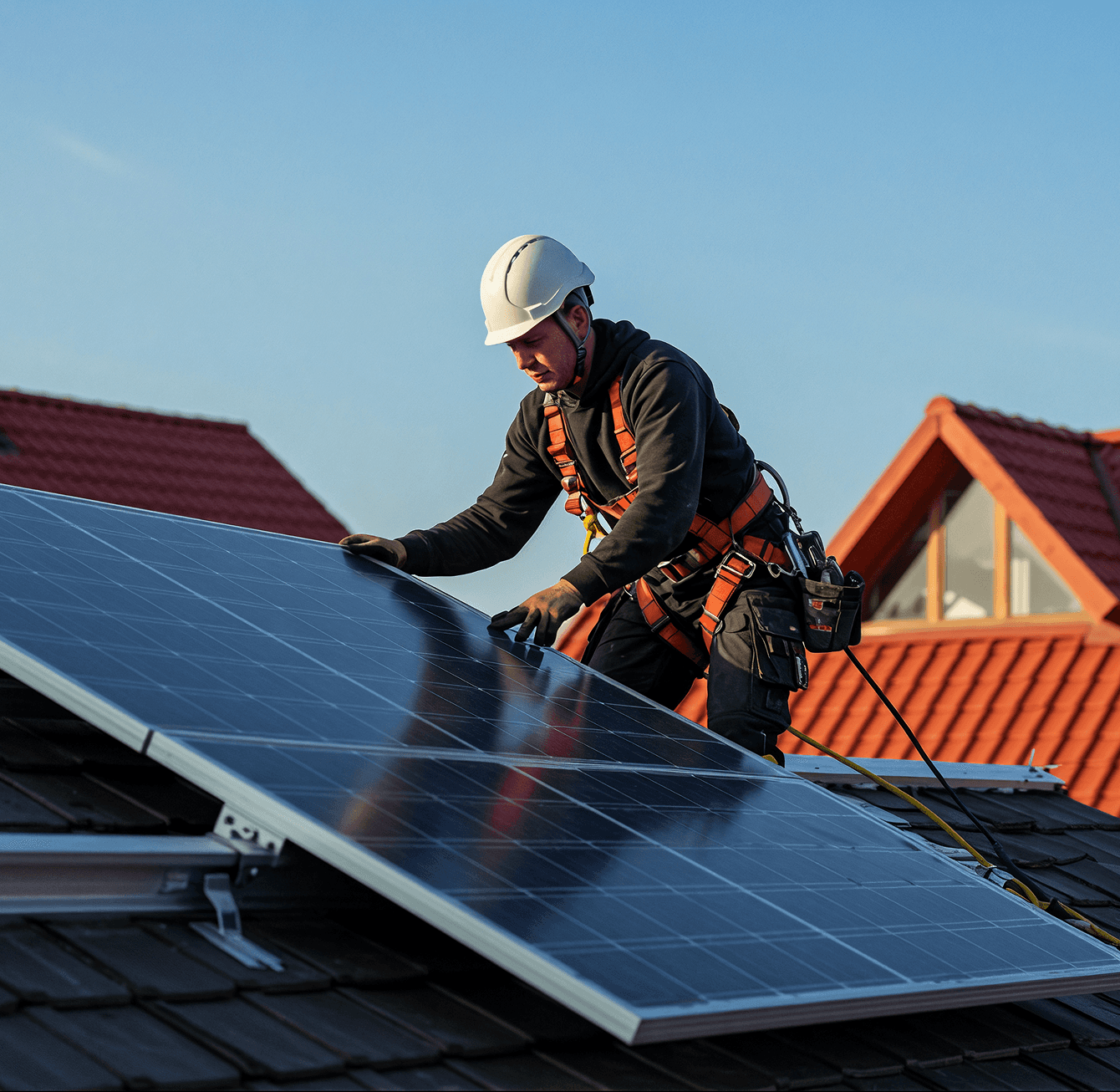
Carbon offset projects vary widely depending on their approach to reducing emissions. Renewable energy projects, such as wind or solar farms, replace fossil fuel-based energy sources. Forestry projects focus on planting trees or protecting existing forests, which absorb carbon dioxide. Other initiatives include improving energy efficiency, capturing landfill gases, and supporting sustainable agriculture practices. Each type of project contributes differently but ultimately aims to reduce the overall carbon footprint.
Benefits of Carbon Offsetting
One of the main advantages of carbon offsetting is its flexibility. It allows individuals and businesses to take responsibility for emissions that are difficult to eliminate completely. It also supports environmental projects that might not otherwise receive funding, contributing to sustainable development and biodiversity conservation. Additionally, carbon offsetting raises awareness about the environmental impact of everyday activities and encourages more sustainable choices.
Challenges and Criticism
Despite its benefits, carbon offsetting has faced criticism. Some argue that it can be used as a way to avoid making direct emission reductions, allowing polluters to continue harmful practices. There are also concerns about the credibility and transparency of certain offset projects, as not all deliver the promised environmental benefits. Ensuring proper verification and regulation is essential to maintain trust in the system.