PROJECT DETAILS

Seattle, USA
2024
$2.7 million
6 months
CoreMach Engineering
Introduction
Solar installation refers to the process of setting up systems that capture sunlight and convert it into usable electricity or heat. As energy demands grow and concerns about environmental impact increase, solar power has become one of the most practical and sustainable solutions for homes, businesses, and industries. Installing solar systems not only reduces dependence on conventional energy sources but also helps lower long-term energy costs.
What Is a Solar Installation
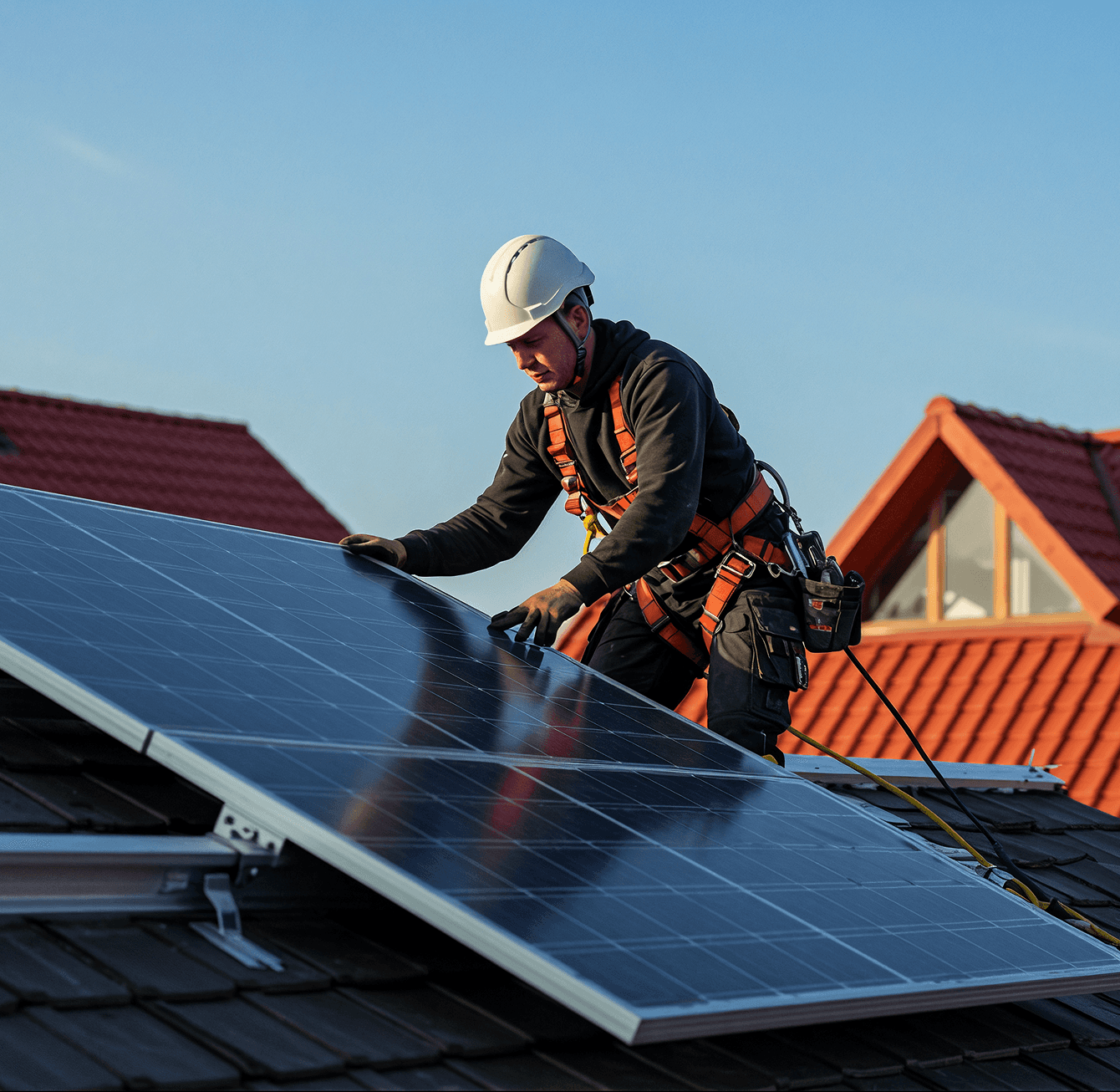
A solar installation typically includes solar panels, an inverter, mounting structures, wiring, and sometimes battery storage. Solar panels absorb sunlight and generate direct current electricity, which is then converted into alternating current by an inverter for everyday use. The system can be installed on rooftops, open land, or integrated into building structures depending on available space and energy needs.
Types of Solar Installation
Solar installations can vary based on how they are designed and used. Residential systems are usually installed on rooftops to power homes, while commercial installations are larger and may cover rooftops or open fields. There are also off-grid systems that operate independently without connection to the main electricity grid, making them useful in remote areas. Grid-tied systems, on the other hand, work alongside existing power infrastructure and can feed excess electricity back into the grid.
Installation Process
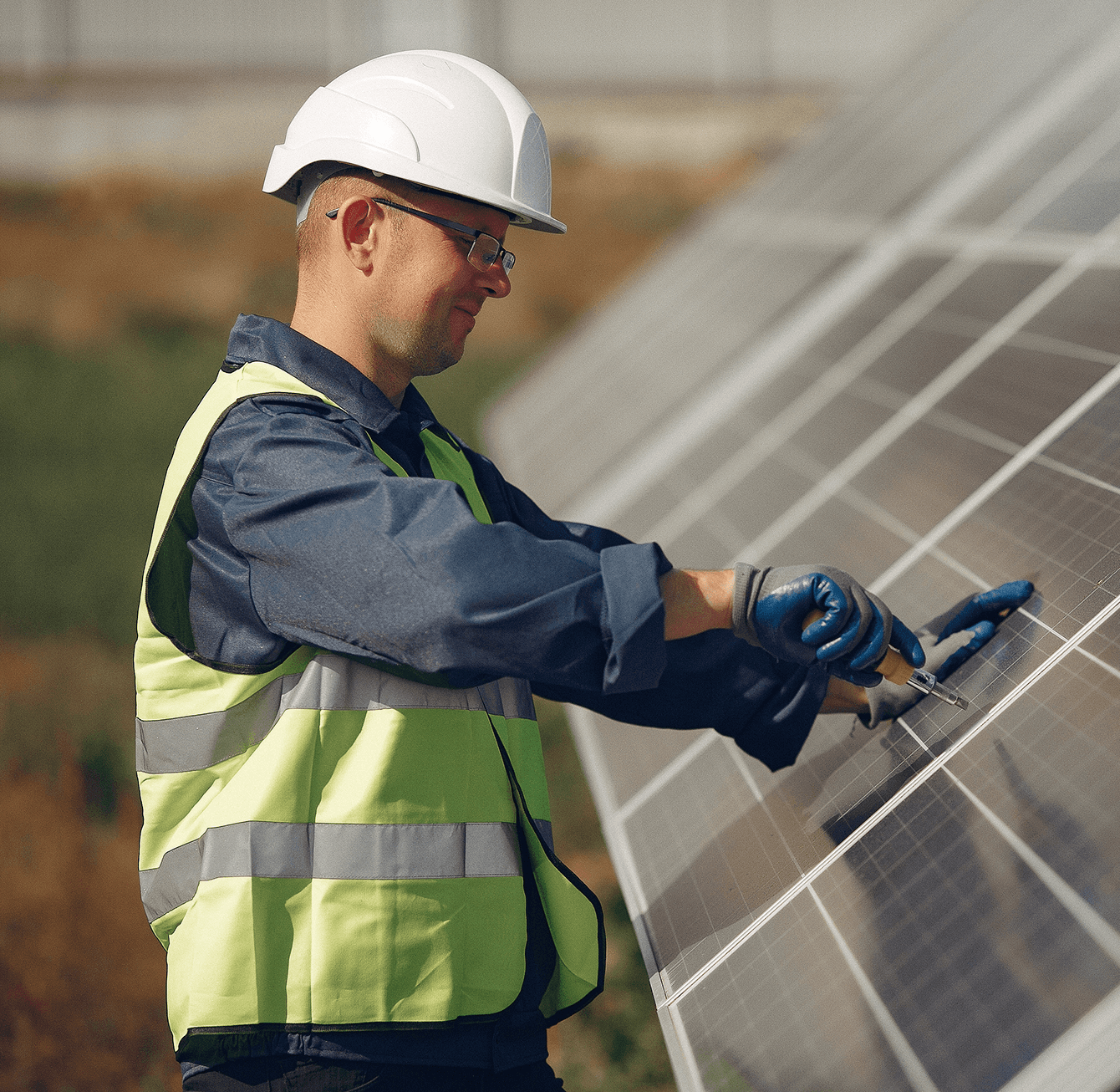
The process of installing a solar system begins with assessing the site to determine sunlight exposure, roof condition, and energy requirements. This is followed by system design, where the size and layout of the panels are planned. After obtaining necessary approvals, the panels and supporting equipment are installed and connected. Finally, the system is tested to ensure it operates efficiently and safely before being put into regular use.
Benefits of Solar Installation
One of the biggest advantages of solar installation is the use of renewable energy, which reduces carbon emissions and environmental impact. It can significantly lower electricity bills over time and provide energy independence, especially in areas with unreliable power supply. Solar systems also require relatively low maintenance and can last for decades, making them a worthwhile long-term investment.Challenges and
Considerations
Despite its advantages, solar installation comes with certain challenges. The initial cost can be high, although prices have been decreasing over time. Efficiency depends on sunlight availability, which can vary by location and weather conditions. Proper installation and maintenance are essential to ensure optimal performance. In some cases, space limitations or shading issues can affect system efficiency.