PROJECT DETAILS

Madrid, Spain
2024
$2.5 million
9 months
TransForge Logistics
Introduction
Solar water pumps are an innovative and sustainable solution for water supply, especially in areas where access to electricity is limited or unreliable. By using energy from the sun, these systems provide an efficient way to pump water for agriculture, livestock, and household use. As the demand for clean energy grows, solar water pumps are becoming an increasingly practical alternative to traditional fuel-powered pumps.
What Is a Solar Water Pump
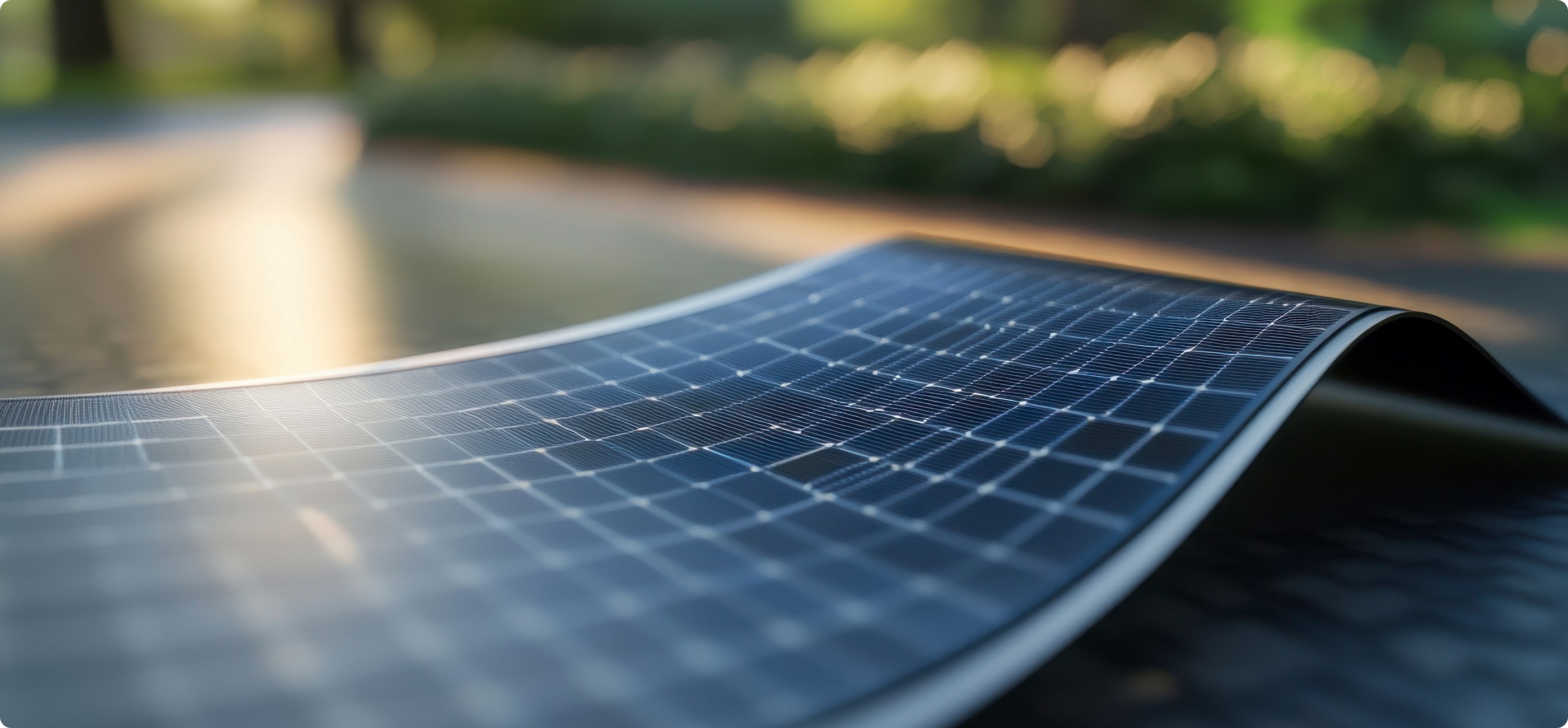
A solar water pump is a system that uses solar energy to pump water from sources such as wells, rivers, or reservoirs. It typically consists of solar panels, a controller, and a pump. The solar panels capture sunlight and convert it into electricity, which powers the pump to move water to where it is needed.
How It Works
The system operates by converting sunlight into electrical energy through photovoltaic panels. This electricity is then used to run a motor that drives the pump. Depending on the design, the pump may be placed on the surface or submerged underwater. Water is lifted and transported through pipes for irrigation, storage, or direct use. Some systems include battery storage, while others operate only during daylight hours.
Types of Solar Water Pumps
Solar water pumps can be categorized based on their design and application. Surface pumps are used for shallow water sources such as ponds or rivers, while submersible pumps are designed for deeper wells. There are also different power configurations, with some systems using direct current and others using alternating current, depending on the scale and requirements.
Benefits of Solar Water Pumps
One of the main advantages of solar water pumps is their reliance on renewable energy, which eliminates the need for fuel and reduces operating costs. They are environmentally friendly and produce no emissions during operation. These systems are also relatively low maintenance and can be highly reliable in sunny regions. For farmers, solar water pumps provide a dependable way to irrigate crops, improving productivity and reducing dependence on unpredictable energy supplies.
Challenges and Limitations
Despite their benefits, solar water pumps have some limitations. The initial cost of installation can be high, although it is often offset by long-term savings. Their performance depends on sunlight availability, which can vary with weather and seasons. In some cases, energy storage or backup systems may be needed to ensure consistent water supply.
Applications
Solar water pumps are widely used in agriculture for irrigation, helping farmers increase crop yields and manage water resources more efficiently. They are also used for providing drinking water in rural communities and for livestock watering. In remote areas without grid access, these systems can be life-changing by ensuring a reliable and sustainable water source.